Traditional cattle selection plays an important role in rural communities where livestock are valued for their strength, appearance, temperament, and cultural significance. In regions where วัวชนแดนใต้.net traditions are practiced, choosing suitable animals involves careful observation and knowledge passed between generations. Farmers and cattle owners consider several characteristics before selecting an animal, balancing traditional preferences with responsible animal care.
What Characteristics Are Considered During Selection?
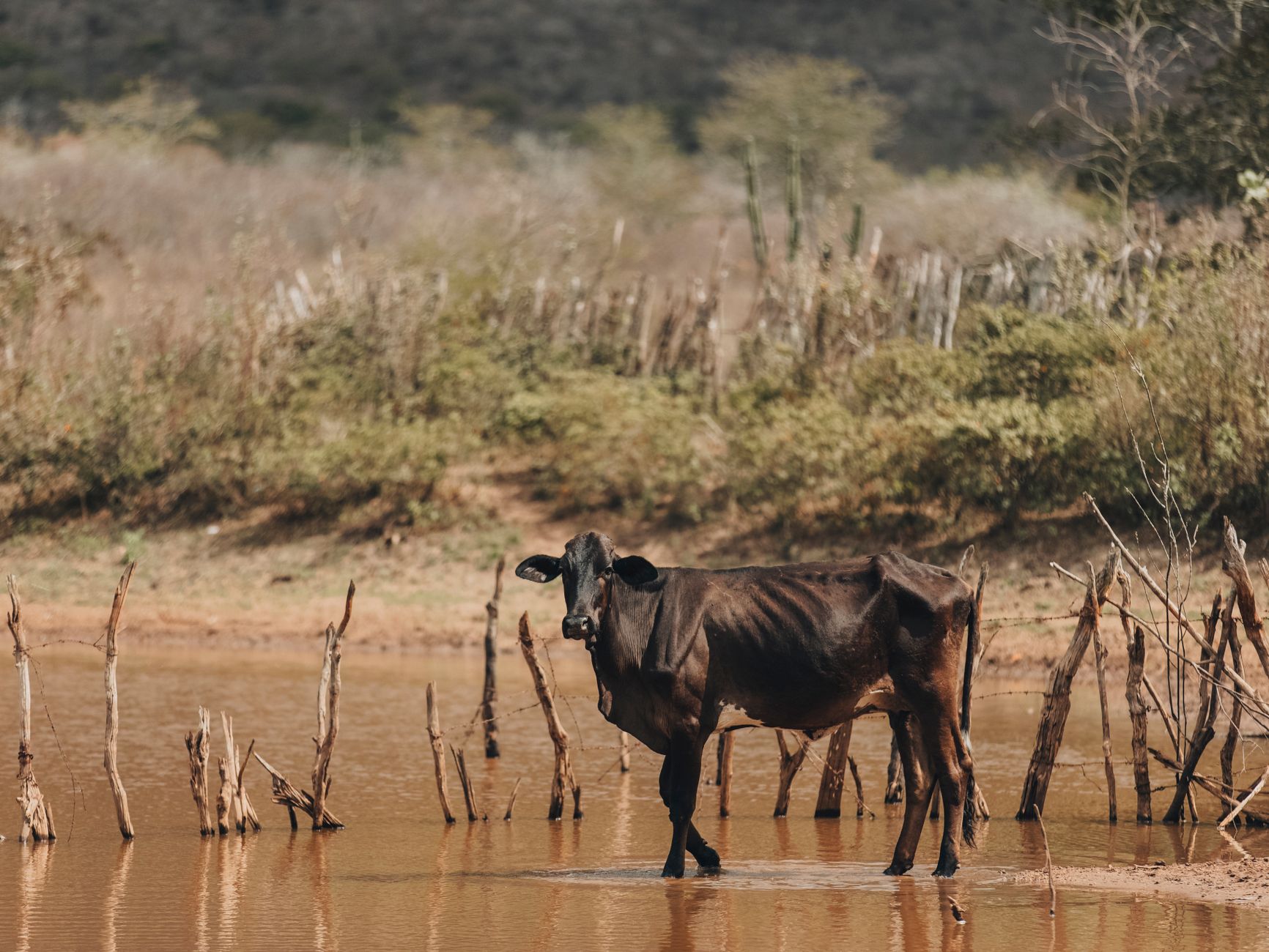
Physical condition is one of the first factors considered when evaluating cattle. Owners often observe body structure, muscle development, leg strength, posture, and general movement. A healthy animal should have a balanced appearance, steady walking ability, and no obvious signs of injury or illness. These features can also provide useful information about its overall development.
Temperament is another important consideration. Cattle with manageable behavior are generally easier to handle, transport, feed, and examine. Calmness can reduce stress for both animals and handlers, making routine care safer. Selection should never depend on encouraging aggression or deliberately provoking an animal.
How Does Breed and Local Experience Influence Choices?
Local cattle populations may display physical characteristics shaped by climate, available feed, and generations of breeding. Experienced farmers often recognize differences in body size, coat condition, adaptability, and growth patterns. Their observations help them understand which animals may suit particular farming conditions.
Traditional knowledge can be valuable, but it should be supported by sound livestock management. Reliable records of parentage, health history, growth, and previous veterinary treatment provide a clearer picture than appearance alone. Breeding decisions should also consider genetic diversity to reduce the risks associated with excessive inbreeding.
Why Are Health Checks Important?
Health assessment is essential before any cattle selection decision. Owners should examine the animal’s eyes, skin, hooves, breathing, appetite, and movement. Veterinary professionals can identify hidden health concerns and recommend appropriate vaccinations, parasite control, nutrition, and preventive treatment.
Age and reproductive history may also influence suitability for breeding or general farm work. Young animals require suitable development and nutrition, while older cattle may need additional attention to mobility and health. Proper records make these decisions more informed.
How Can Traditional Selection Support Animal Welfare?
Cultural traditions can continue while placing animal welfare at the center of livestock management. Adequate shelter, clean water, balanced feed, comfortable resting areas, and regular veterinary attention help maintain cattle health. Handling should remain gentle, and animals should never be forced into activities that cause unnecessary pain, fear, or exhaustion.
What Is the Lasting Value of Careful Selection?
Traditional cattle selection reflects the relationship between farming knowledge, local identity, and responsible livestock ownership. By combining experienced observation with modern health practices, communities can preserve useful agricultural knowledge while improving animal well-being. Careful selection ultimately means choosing healthy, adaptable cattle and providing them with respectful, consistent care throughout their lives.
What You Need to Know
- Traditional cattle selection involves careful observation and generational knowledge focused on livestock’s strength, appearance, temperament, and cultural significance.
- Key factors in evaluating cattle include physical condition, temperament, and overall health, which influence their suitability for farming conditions.
- Experienced farmers utilize observations of local cattle populations’ physical characteristics shaped by environmental factors to inform their selection process.
- Health assessments are crucial before making selection decisions, requiring examination of an animal’s eyes, skin, hooves, breathing, appetite, and movement.
- Animal welfare is supported by maintaining adequate shelter, clean water, balanced feed, and gentle handling during traditional cattle management practices.
- Careful cattle selection enhances the relationship between farming knowledge and responsible livestock ownership, ultimately promoting animal health and welfare.