glacier and avalanche risks are highlighted in a recent SDC report, indicating a growing concern for U’khand’s environmental stability. This report sheds light on the potential dangers posed by these natural phenomena.
Overview of the SDC Report
The recent report by the State Disaster Management Authority (SDC) highlights critical concerns regarding glacier and avalanche risks in Uttarakhand. As climate change accelerates, the region faces increasing threats from glacial lake outburst floods (GLOFs) and avalanches, which pose significant dangers to local communities and ecosystems.
According to the SDC report, the following points summarize the key findings:
- Glacier Melting: Rapid melting of glaciers has been observed, leading to concerns about rising water levels in glacial lakes.
- Increased GLOF Incidents: The report indicates a rise in potential GLOF incidents, which could have devastating impacts downstream.
- Avalanche Frequency: The frequency of avalanches has increased due to unstable snowpack conditions linked to warmer temperatures.
- Community Awareness: There is a pressing need for enhanced awareness and preparedness among local populations about glacier and avalanche risks.
- Monitoring Systems: The SDC emphasizes the importance of developing effective monitoring systems to predict and mitigate these risks.
These findings serve as a wake-up call for policymakers, urging them to prioritize disaster preparedness and climate adaptation strategies in this vulnerable region.
Impact of Climate Change
The impact of climate change on glaciers is profound, leading to increased risks of avalanches and glacial lake outburst floods (GLOFs). As temperatures rise, glaciers are melting at an accelerated rate, contributing to the instability of mountainous regions. This process not only threatens local ecosystems but also poses significant hazards to communities living in proximity.
According to the recent SDC report, the ongoing retreat of glaciers is causing a surge in the frequency and intensity of avalanches. These events can devastate infrastructure, disrupt transportation, and endanger lives. The report emphasizes that the melting ice significantly alters the landscape, resulting in unpredictable avalanche patterns.
Furthermore, as glaciers recede, they form glacial lakes that can swell rapidly during melting seasons. If these lakes breach their natural dams, the ensuing floods can lead to catastrophic consequences downstream. This phenomenon highlights the intricate relationship between glacier dynamics and avalanche risks, underscoring the urgent need for increased monitoring and risk management strategies.
In summary, understanding the impact of climate change on glacier and avalanche risks is vital for safeguarding vulnerable communities and preserving the environment in the face of ongoing climate challenges.
Understanding GLOF
Glacial Lake Outburst Floods (GLOFs) are significant concerns in the context of glacier and avalanche risks, particularly in mountainous regions. These floods occur when a glacier dam fails, releasing large volumes of water accumulated in glacial lakes. The SDC report highlights that as glaciers continue to melt due to climate change, the number of glacial lakes is increasing, thereby heightening the potential for GLOFs.
GLOFs can have devastating consequences, including:
- Flash floods that can sweep away communities and infrastructure.
- Massive sediment transport, which can alter river courses and ecosystems.
- Increased risk of landslides in already unstable terrains.
In Uttarakhand, the risk of GLOFs is particularly pronounced, considering the region’s fragile topography and the rapid melting of glaciers. Experts urge for comprehensive monitoring of glacial lakes and proactive measures to mitigate the risks associated with potential outburst floods.
Understanding the dynamics of GLOFs is crucial for local communities, as it aids in developing effective disaster response strategies and improving resilience against the impacts of climate change. Without proper intervention, the situation may worsen, leading to heightened glacier and avalanche risks in the future.
Preventive Measures for Safety
To mitigate the risks associated with glaciers and avalanches, it is essential to implement effective preventive measures. These strategies can help protect both lives and infrastructure in vulnerable regions.
Key preventive measures include:
- Monitoring Glacial Activity: Regular assessments of glaciers can provide crucial data on their stability and potential for collapse.
- Early Warning Systems: Establishing timely alert systems can inform communities about imminent avalanche or glacier-related threats, allowing for quick evacuations.
- Infrastructure Design: Constructing buildings and roads with avalanche-resistant features can significantly reduce damage during an event.
- Community Education: Awareness programs can educate local populations about glacier and avalanche risks, encouraging them to adopt safety protocols.
- Reforestation: Planting trees can help stabilize slopes and reduce the likelihood of avalanches in certain areas.
By implementing these preventive measures, communities at risk can better prepare for potential glacier and avalanche incidents. Ongoing efforts to monitor climate change impacts will also play a vital role in enhancing safety and resilience in these regions.
Local Community Responses
The local community has begun to take significant steps in response to the increasing glacier and avalanche risks highlighted in the recent SDC report. Residents and local leaders are prioritizing education and awareness programs to inform citizens about the dangers associated with glacial melting and the potential for Glacial Lake Outburst Floods (GLOFs).
Many community members are participating in workshops led by experts, focusing on:
- Emergency preparedness: Training sessions are being organized to equip locals with the knowledge and skills needed to respond effectively to potential disasters.
- Monitoring glacial activity: Citizen science initiatives are encouraging residents to report changes in glacier conditions, contributing to broader data collection efforts.
- Community drills: Regular drills are now held to practice evacuation routes and emergency protocols, ensuring that everyone knows what to do in case of an avalanche or flooding event.
Moreover, collaborations between local governments and NGOs are fostering resilience against these natural hazards. As climate change continues to impact the region, community responses are evolving, aiming to minimize risks associated with both glaciers and avalanches while promoting safety and preparedness among residents.
Future Predictions for U’khand
As climate change continues to alter the landscape of Uttarakhand, future predictions suggest a concerning rise in glacier and avalanche risks. Experts emphasize the need for proactive measures to mitigate these dangers, particularly in vulnerable regions. The SDC report highlights that as temperatures rise, glaciers are expected to retreat at an accelerated pace, increasing the likelihood of Glacial Lake Outburst Floods (GLOFs) and avalanches.
According to climate models, by 2050, the rate of glacier melt could increase significantly, posing threats not only to the environment but also to local communities and infrastructure. The report outlines several potential scenarios:
- Increased GLOF incidents: As glacial lakes swell due to meltwater, the risk of catastrophic flooding rises, endangering downstream settlements.
- Heightened avalanche occurrences: The instability of snowpack layers on steep slopes can lead to more frequent and severe avalanches during winter months.
- Impact on water resources: Changes in glacier dynamics could disrupt local water supplies, affecting agriculture and drinking water access.
Addressing these risks will require collaboration between government agencies, scientists, and local communities to implement effective adaptive strategies.
It is crucial for outdoor enthusiasts to be aware of glacier and avalanche risks when planning their adventures in mountainous regions. By understanding the real dangers associated with these natural phenomena, individuals can take necessary precautions to ensure their safety.
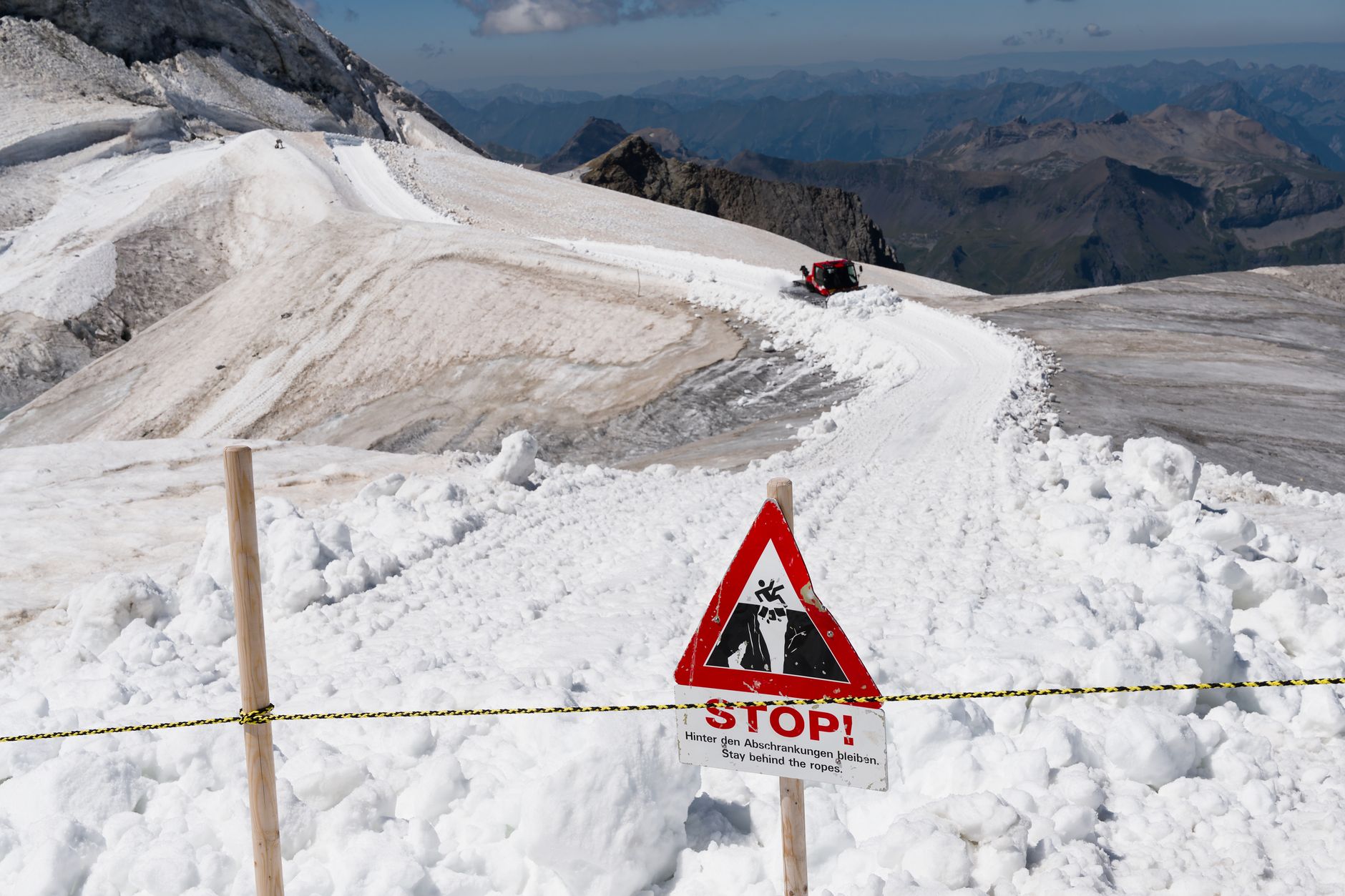
Photo by Jean-Paul Wettstein on Pexels