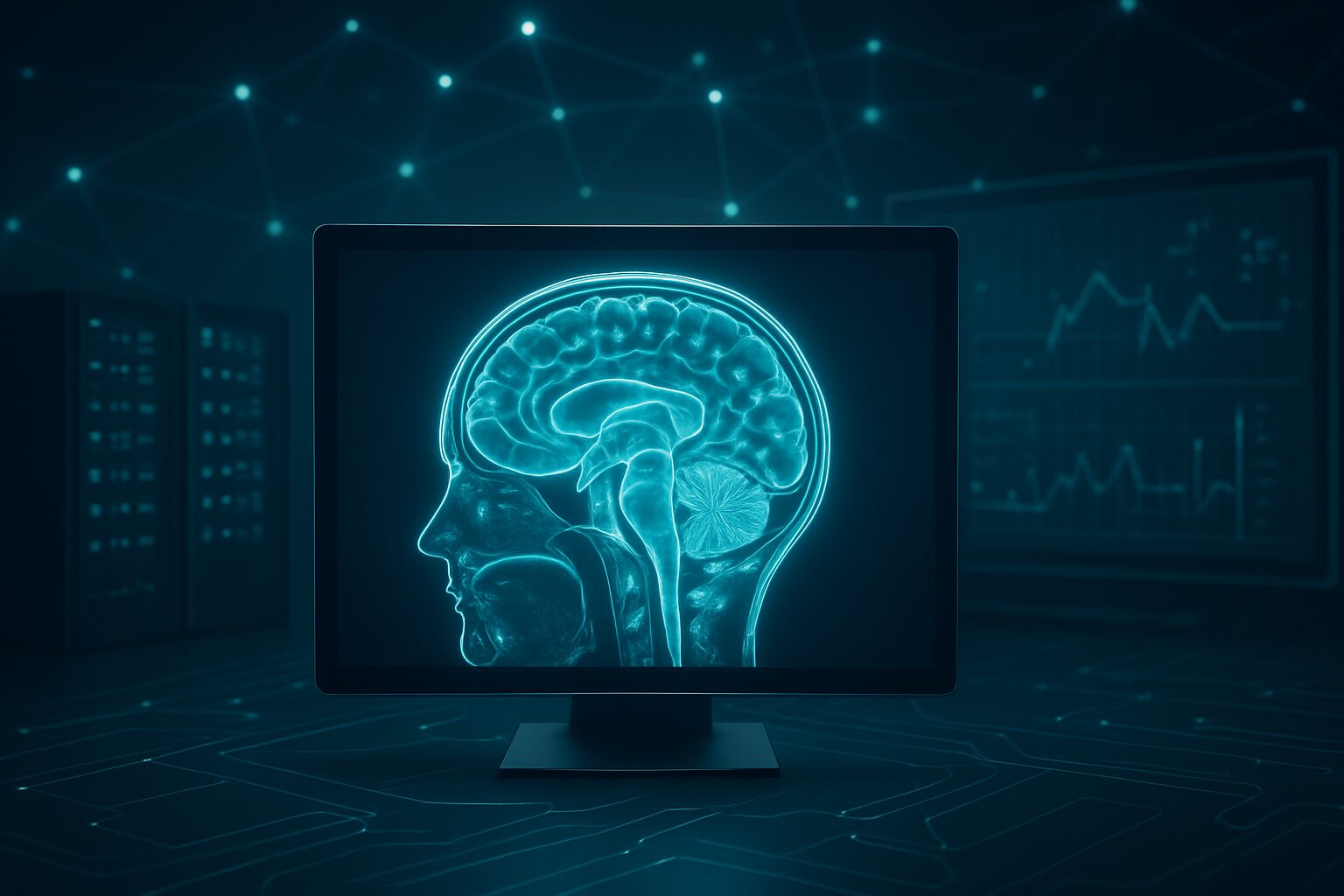
Diagnostic radiology has developed into one of the most important areas of contemporary medicine, with imaging playing a central role in clinical assessment, treatment planning, and ongoing care. As technology continues to improve, precision has become an increasingly important measure of effective imaging practice. With more than 25 years of experience in diagnostic and interventional radiology, Dr Wade Banker reflects the value of combining established clinical knowledge with evolving imaging capabilities to support accurate and thoughtful medical decision-making.
In This Article
- The Growing Importance of Precision in Radiology
- Experience as a Foundation for Accurate Imaging
- Connecting Diagnosis With Clinical Decision-Making
- Precision and the Development of Advanced Imaging
- The Relationship Between Imaging and Patient-Focused Care
- Looking Ahead in Diagnostic Radiology
- Conclusion
The Growing Importance of Precision in Radiology
Precision in diagnostic radiology involves several interconnected elements. High-quality imaging must be supported by careful interpretation, appropriate clinical context, and an understanding of how findings may influence the next stage of care. Modern imaging technologies provide increasingly detailed information, giving radiology professionals valuable tools for examining complex anatomical structures and identifying significant clinical findings.
This progress has transformed radiology from a primarily image-producing discipline into a highly integrated part of healthcare. Imaging findings can help guide conversations between specialists, support treatment planning, and contribute to more informed clinical pathways.
Experience as a Foundation for Accurate Imaging
Technology provides the tools, but professional experience helps determine how those tools can be used effectively. Years of clinical practice can provide radiologists with a broad understanding of imaging patterns, procedural considerations, and the relationship between diagnostic findings and patient needs.
Dr. Banker’s extensive background in diagnostic and interventional radiology represents this combination of experience and technological awareness. His career demonstrates how a strong clinical foundation can complement advances in imaging while maintaining attention to precision and professional standards.
Connecting Diagnosis With Clinical Decision-Making
The value of diagnostic imaging extends beyond identifying abnormalities. Imaging can contribute to a larger clinical picture by helping healthcare professionals understand the location, characteristics, and progression of medical conditions. When interpreted within the appropriate clinical context, this information can support more focused decisions.
This connection between imaging and clinical judgment has become increasingly significant as healthcare moves toward more individualized approaches. Dr Wade Banker Toledo, Oh represents a professional presence within this evolving field, where diagnostic expertise and interventional knowledge can work together to strengthen the role of imaging throughout patient care.
Precision and the Development of Advanced Imaging
Advancements in medical imaging have introduced increasingly sophisticated ways to visualize internal structures. These developments have expanded the ability of radiology professionals to examine specific areas with greater detail and support more targeted clinical planning.
Precision also contributes to procedural innovation. In interventional radiology, imaging can provide guidance during minimally invasive treatments, helping clinicians work with greater accuracy. This represents an important shift in modern medicine, where imaging can serve both diagnostic and procedural purposes.
The Relationship Between Imaging and Patient-Focused Care
Technical progress is most valuable when it contributes meaningfully to patient care. Accurate imaging can help reduce uncertainty, support treatment planning, and provide clinicians with information that may improve the overall coordination of care.
A patient-focused radiology practice therefore requires more than familiarity with advanced equipment. It calls for careful attention to clinical objectives, communication, safety, and appropriate application of imaging technology. Experience can help professionals maintain this balance as diagnostic methods continue to evolve.
Looking Ahead in Diagnostic Radiology
The future of radiology will continue to be influenced by technological development, refined imaging techniques, and greater integration with other areas of medicine. Professionals with extensive clinical experience can play an important role in this progression by connecting new capabilities with established principles of diagnostic practice.
The continued emphasis on precision also reflects a broader movement toward efficient and individualized healthcare. As imaging becomes more advanced, the ability to interpret information thoughtfully and apply it within a clinical framework will remain essential.
Conclusion
Precision has become a defining characteristic of modern diagnostic radiology, supported by advances in technology and strengthened through clinical expertise. The career of Dr Wade Banker illustrates how extensive experience in diagnostic and interventional radiology can complement the continued development of medical imaging. By bringing together professional knowledge, technological awareness, and a patient-focused perspective, experienced radiology practitioners can contribute to a healthcare environment increasingly shaped by accuracy, innovation, and clinically meaningful imaging.
At a Glance
- Diagnostic radiology is now a central part of contemporary medicine, integral to clinical assessment, treatment planning, and ongoing care.
- Precision in diagnostic radiology relies on high-quality imaging, careful interpretation, appropriate clinical context, and understanding the impact on patient care.
- Advancements in medical imaging technology have improved the ability to visualize complex anatomical structures and support targeted clinical planning.
- Experience in diagnostic and interventional radiology enhances the effective use of imaging technology to inform medical decision-making.
- The future of radiology will be defined by technological advancements and the integration of imaging with other medical disciplines to enhance individualized patient care.
- Dr. Wade Banker’s career exemplifies the balance between technological awareness and clinical expertise in advancing the practice of diagnostic radiology.