Clinical research plays an important role in transforming scientific knowledge into better approaches to healthcare, and organizations supporting this work contribute to a broader culture of discovery. In Hawaii, research initiatives can benefit from a setting that encourages collaboration, careful observation, and community engagement. S & G Labs represents a research-focused perspective centered on the importance of organized laboratory practices, responsible investigation, and continued advancement in clinical science. Understanding how clinical research develops provides valuable insight into the processes that connect laboratory findings with future healthcare possibilities.
In This Article
- The Role of Clinical Research
- Laboratory Science and Research Development
- Building a Strong Research Environment
- Community Considerations in Clinical Studies
- Quality, Compliance, and Documentation
- Looking Toward Future Clinical Research
The Role of Clinical Research
Clinical research involves a structured process designed to evaluate medical concepts, interventions, procedures, and health-related observations. Each research project generally follows defined protocols intended to promote consistency and scientific integrity. Researchers collect information, review findings, monitor study procedures, and evaluate results according to established research objectives.
Several factors influence the quality of a clinical research program. These include appropriate study design, participant safety, reliable documentation, qualified personnel, and effective communication. When these elements work together, research teams can create dependable information that supports future scientific decisions.
Laboratory Science and Research Development
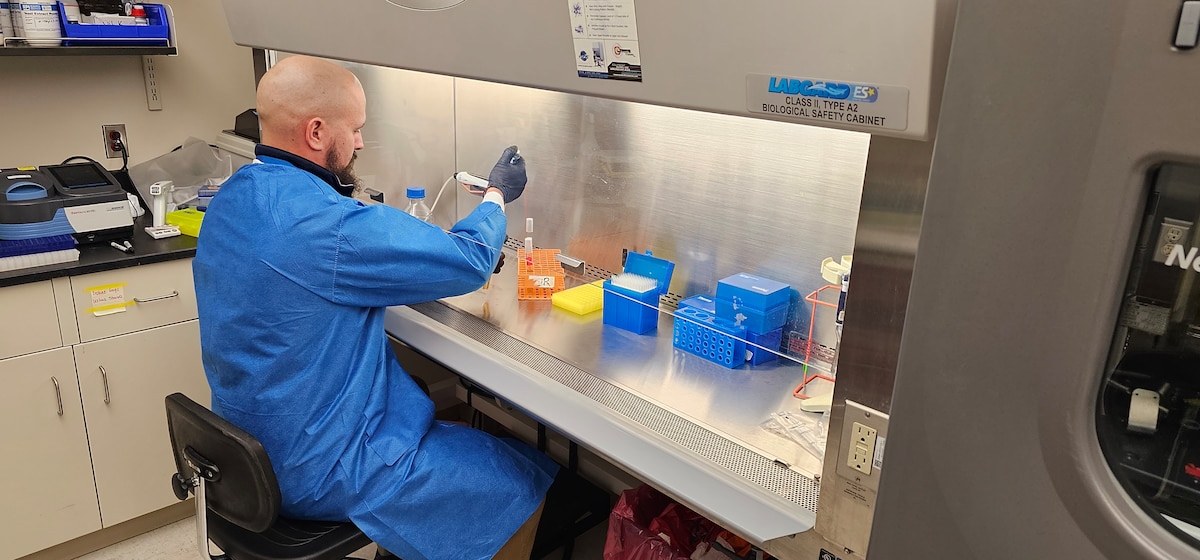
Laboratories serve as important environments for investigating biological and medical questions. Laboratory procedures may include sample handling, testing, observation, data recording, and quality control. Every stage requires attention to detail because research conclusions depend on the reliability of the information collected throughout a study.
Modern clinical research also increasingly relies on technology. Digital documentation, specialized analytical systems, and structured data management can help research teams organize complex information. Technology does not replace scientific judgment, but it can strengthen processes when implemented responsibly and monitored carefully.
Building a Strong Research Environment
A successful research environment depends on more than equipment and facilities. Professional expertise, ethical standards, communication, and collaboration are equally important. Research personnel must understand study protocols and recognize the importance of accurate documentation.
Within this environment, S & G Labs can be viewed in the broader context of Hawaii’s clinical research landscape, where laboratory capabilities and scientific collaboration can contribute to continued research development. A well-organized research environment encourages teams to identify challenges, review evidence, and refine procedures as projects progress.
Community Considerations in Clinical Studies
Clinical research ultimately involves people, making community awareness an important consideration. Participants need clear information about research activities, expectations, and relevant procedures. Ethical research places participant welfare at the center of study planning and implementation.
Hawaii presents unique opportunities for community-oriented research because healthcare needs and population characteristics can shape research priorities. Understanding local perspectives can help researchers develop study approaches that are respectful, practical, and relevant.
Quality, Compliance, and Documentation
Research quality depends heavily on consistent processes. Documentation provides a record of study activities and helps research teams review whether procedures have been followed appropriately. Quality assurance practices can identify inconsistencies and support corrective action when necessary.
Compliance is also essential. Clinical research operates within established ethical and regulatory frameworks designed to protect participants and preserve scientific credibility. Maintaining these standards requires continuous attention rather than a one-time review.
Looking Toward Future Clinical Research
The future of clinical research will continue to involve collaboration between laboratory science, healthcare professionals, technology specialists, and communities. Emerging analytical tools may improve how researchers organize and interpret complex information, while stronger collaboration can help connect different areas of expertise.
Research advancement is ultimately a continuous process. Each carefully conducted study contributes information that can influence future investigations. Organizations operating within this field therefore have an opportunity to support scientific progress through disciplined methods and responsible practices.
As Hawaii continues to participate in the evolving clinical research environment, the value of dependable laboratory work and ethical study management remains clear. S & G Labs reflects the broader importance of research organizations that emphasize scientific discipline, quality practices, and meaningful contributions to clinical research advancement. Through continued attention to evidence, collaboration, and participant-centered principles, clinical research can remain an important foundation for future healthcare innovation.
At a Glance
- Clinical research involves a structured process designed to evaluate medical concepts, interventions, procedures, and health-related observations.
- A successful research environment depends on professional expertise, ethical standards, communication, and collaboration in addition to equipment and facilities.
- Quality assurance practices within clinical research can identify inconsistencies and support corrective action when necessary.
- Hawaii’s unique healthcare needs and population characteristics can influence the priorities of community-oriented clinical research.
- Emerging analytical tools and stronger collaboration among different areas of expertise may enhance the future of clinical research.