Introduction
Deploying a machine learning model is only one part of building a reliable artificial intelligence (AI) application. Once a model enters production, its performance can change because of evolving data, shifting user behaviour, infrastructure issues, or changes in the environment. Model monitoring and model observability help teams identify and investigate these problems, but they serve different purposes.
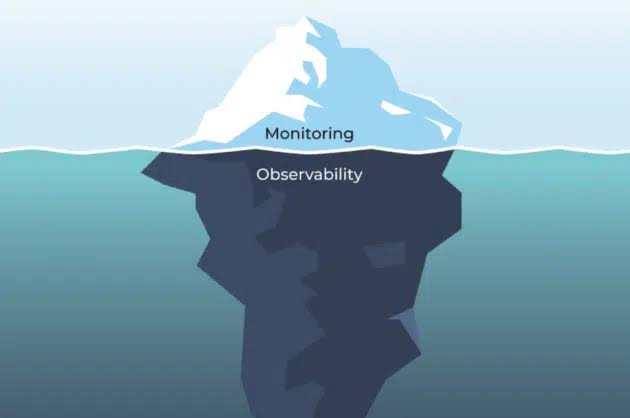
Model monitoring focuses on tracking predefined metrics and detecting problems when they occur. Model observability goes further by helping developers understand why a model behaves in a particular way using detailed information about its inputs, outputs, internal operations, and surrounding infrastructure.
Understanding both concepts is essential for maintaining accurate, efficient, and dependable AI applications.
What Is Model Monitoring?
Model monitoring involves continuously tracking a deployed machine learning model to ensure that it performs according to established expectations. Teams define metrics, establish thresholds, and configure alerts to identify unusual behaviour or declining performance.
Common aspects of model monitoring include:
1. Prediction Accuracy:
Tracking model performance when reliable ground-truth labels become available.
2. Data Drift:
Detecting changes in input data distributions that may affect model performance.
3. Latency and Throughput:
Measuring response times and the number of requests processed within a specific period.
4. Resource Utilisation:
Monitoring CPU usage, GPU memory, and other infrastructure metrics to identify potential bottlenecks.
5. Error Rates:
Tracking failed requests, timeouts, and unexpected outputs that may affect application reliability.
For example, a product recommendation model might trigger an alert when its prediction latency exceeds a predefined threshold. This allows the team to investigate the issue before it significantly affects users.
What Is Model Observability?
Model observability provides deeper insight into how and why a machine learning system produces particular results. It combines relevant data from the model, application, and infrastructure to help developers investigate problems that monitoring alerts alone may not explain.
Important elements of model observability include:
1. Input and Output Analysis:
Examining patterns in model inputs and predictions to identify unexpected behaviour.
2. Root Cause Investigation:
Connecting performance changes with data quality issues, model updates, or infrastructure problems.
3. Model Behaviour Analysis:
Investigating prediction patterns, confidence scores, and other relevant signals to understand potential weaknesses.
4. End-to-End Tracing:
Following requests through connected services to identify delays or failures across an AI application.
5. Diagnostic Insights:
Using logs, metrics, traces, and relevant data-sets to investigate problems and support corrective action.
For instance, if a recommendation model produces increasingly irrelevant results, observability tools can help developers investigate whether the cause is changing user behaviour, an upstream data issue, or a recent model deployment.
Model Monitoring vs Model Observability: Key Differences
The primary difference is their purpose. Monitoring helps teams detect known or anticipated problems, while observability helps them investigate unfamiliar issues and understand their underlying causes.
Monitoring commonly relies on predefined metrics and alert thresholds. Observability uses a broader combination of telemetry and diagnostic information to explain system behaviour. Both approaches complement each other. Monitoring can identify when a model’s latency increases, while observability can help determine whether the problem originates from GPU resource constraints, network delays, or inefficient model execution.
Conclusion
Model monitoring and model observability play complementary roles in maintaining reliable AI systems. Monitoring identifies potential problems, while observability helps teams understand their causes. Combining both approaches enables organizations to detect issues earlier, troubleshoot production models more effectively, and maintain dependable machine learning applications.