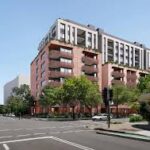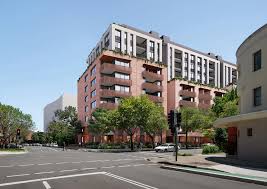
The large-scale Erskineville development led by Coronation Property represents one of the most ambitious inner-city housing projects in Australia’s recent urban planning landscape. With an estimated investment of around $2 billion, the project is set to deliver approximately 1,300 build-to-rent homes along with integrated lifestyle, retail, and green infrastructure. Designed as a long-term rental community, it reflects the growing shift toward professionally managed residential precincts in major cities.
Below is a structured, statistics-informed overview presented in a professional question-and-answer style format, highlighting key project insights and development impact.
What is the core vision behind the Erskineville development?
The development is designed to transform a former industrial site into a fully integrated residential precinct focused on long-term rental living. Instead of traditional property sales, the build-to-rent model ensures homes remain under single ownership and are professionally managed for tenants.
The vision is to create a self-sustaining urban neighbourhood that combines housing, green space, retail activity, and community amenities in one connected environment. This approach is increasingly being adopted in global cities facing rising housing demand and affordability pressures.
How large is the project and what does it include?
The project covers a substantial inner-city site and is planned to deliver over 1,300 apartments designed specifically for rental occupancy. It is structured as a multi-stage master plan that integrates residential buildings with shared public spaces.
Key components include landscaped parks, rooftop communal areas, wellness-focused facilities, retail precincts, and pedestrian-friendly pathways. A significant portion of the design focuses on open green space, including a planned park area of approximately 7,500 square metres, supporting environmental balance within a dense urban setting.
Why is the build-to-rent model important for this development?
The build-to-rent model introduces a long-term housing solution where entire residential buildings are owned and operated by a single entity rather than individual investors. This allows for more consistent property management, improved maintenance standards, and greater stability for residents.
In this development, the model is expected to create a more predictable rental environment with professionally managed services, enhancing tenant experience while supporting long-term occupancy rather than short-term turnover.
What makes the location strategically valuable?
The Erskineville precinct is located just a few kilometres from Sydney’s central business district, making it highly accessible for professionals and families. Its proximity to transport networks, education hubs, healthcare facilities, and employment centres significantly enhances its residential appeal.
This location advantage ensures strong connectivity while still offering a neighbourhood-style living environment, which is increasingly valued in high-density cities.
How does the project contribute to housing supply and affordability?
A key feature of the development is the inclusion of affordable housing within the broader rental mix. A portion of the homes is allocated specifically for essential workers such as healthcare professionals, educators, and emergency service staff.
This integration supports housing diversity and helps address rental demand in one of the country’s most competitive property markets. By increasing supply at scale, the project contributes to easing long-term pressure on urban housing availability.
What economic and employment impact does the project generate?
Large-scale developments of this nature typically create significant economic activity across construction and operational phases. The Erskineville project is expected to generate thousands of direct and indirect jobs over its lifecycle, spanning construction, engineering, design, property management, and retail services.
Beyond employment, the project also supports broader economic flow-on effects by stimulating demand for materials, logistics, and local business engagement within surrounding suburbs.
How does the development enhance urban lifestyle and community living?
The design prioritises liveability through integrated community infrastructure. Residents will benefit from shared wellness facilities, open-air gathering spaces, landscaped walkways, and curated retail and dining zones.
The inclusion of pedestrian and cycling pathways encourages sustainable mobility, while communal areas are intended to support social interaction and long-term community building. This approach reflects a modern shift toward lifestyle-oriented urban planning rather than purely residential density expansion.
What role does sustainability play in the project?
Sustainability is embedded through green space allocation, energy-efficient design principles, and reduced reliance on car-dependent infrastructure. The emphasis on walkability, public transport access, and landscaped environments contributes to a lower environmental footprint.
The project also supports long-term urban regeneration by converting underutilised industrial land into productive residential and community space.
Conclusion
The Erskineville build-to-rent development represents a significant milestone in modern urban housing delivery. With its large-scale integration of over 1,300 rental homes, extensive green spaces, and lifestyle-focused amenities, the project highlights a progressive shift toward structured, community-driven rental living.
By combining strategic location advantages, economic contribution, and sustainable design principles, it sets a strong benchmark for future residential precincts in high-demand metropolitan areas.